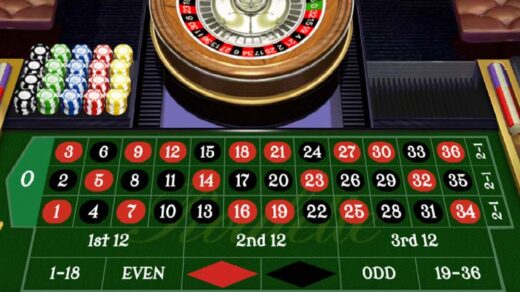
A casino session can feel effortless: a game loads in seconds, the balance is visible, and another round is always one click away. That convenience makes it especially important to decide what a good experience means before play begins. Responsible gambling is not about removing entertainment; it is about keeping time, spending, and expectations within limits that feel manageable.
That same habit of checking details before taking action applies beyond gaming: whether you are reviewing a service such as https://iljunkhaulers.com/ or comparing casino platforms, clear information helps you make a considered choice. In online gambling, the most useful details are often the least glamorous: licensing, payment terms, account controls, and the rules attached to bonuses.
Start with the platform, not the promotion
A welcome offer can look impressive in a banner, yet the headline amount alone says little about its value. Read the complete terms before depositing. Check wagering requirements, eligible games, maximum bet limits, expiry dates, and withdrawal restrictions. If a condition is unclear, pause and ask support for an explanation rather than assuming the most favorable interpretation.
Also look for evidence that the operator takes player protection seriously. Licensing details should be easy to locate, and the site should explain how to set deposit limits, take a break, close an account, and contact support. A polished design is not a substitute for transparent rules. Nor does an advertised payment option guarantee that every deposit method will support withdrawals on the same terms.
- Confirm the operator’s license and the regulator named in its terms.
- Review bonus conditions before opting in, not after a balance is committed.
- Check withdrawal verification steps, processing estimates, and possible fees.
- Find the responsible-play controls and customer-support contact methods.
- Use a unique password and secure your account with available protections.
Build a session around limits
Set a gambling budget from money left after essential expenses, savings, and existing obligations. Treat that amount as the cost of entertainment, not as an investment or a way to make income. Decide on a time limit as well. When either limit is reached, stop—even if a game seems close to a win or a bonus is still available.
Limits work best when they are established before emotions enter the picture. Many regulated platforms provide tools for setting deposit caps or taking a cooling-off period. Explore these controls in advance, and choose amounts that suit your circumstances. If you find yourself repeatedly raising a limit, chasing losses, hiding activity, or gambling longer than intended, consider stepping away and contacting a professional support service in your region.
| Session decision | Practical approach | Reason it helps |
|---|---|---|
| Money | Choose a fixed entertainment budget | Prevents gambling funds from competing with essentials |
| Time | Set a stop time before opening a game | Reduces unplanned, extended sessions |
| Losses | Accept the limit as final | Avoids chasing money through additional bets |
| Bonuses | Read terms before opting in | Clarifies restrictions and withdrawal conditions |
Understand the games and the odds
Casino games are designed for entertainment, but their mechanics differ. Slots rely on random outcomes; past spins do not make a particular result due. Table games may offer decisions that affect the odds, but no strategy can guarantee a profit. Learn how a game works, including its paytable and any special features, before wagering real money. If the rules are difficult to understand, choose another game or practice without a cash stake where that option is available.
It is also useful to separate chance from skill. A short winning run does not prove a system is working, and a series of losses does not mean a win is now “owed.” Random outcomes do not remember previous rounds. Keeping that principle in mind can make it easier to pause instead of increasing bets in response to frustration or excitement.
Compare platforms with a clear checklist
When assessing casino sites, focus on the experience after registration as much as the first impression. Look for readable terms, accessible account tools, familiar payment procedures, and support that answers direct questions. A generous promotion may be less useful than a straightforward platform with reliable withdrawal information and easy-to-find limits.
Use a simple comparison rather than relying on rankings or advertising alone:
- Are licensing and ownership details clearly stated?
- Can you locate the full rules for deposits, bonuses, and withdrawals?
- Are self-exclusion and time-out tools accessible from your account?
- Does support explain restrictions without pressuring you to deposit?
- Can you set boundaries that match your budget and schedule?
Keep entertainment in its proper place
Online casino play should remain one optional form of leisure, not a response to financial pressure, boredom, or distress. Avoid gambling when you are impaired, upset, or trying to recover money. Take breaks, protect your personal information, and review account activity periodically. If play is affecting relationships, work, sleep, or finances, stop using the platform and seek confidential help from a qualified gambling-support organization.
A thoughtful player does not need to predict outcomes. The more useful skill is recognizing what can be controlled: the operator you choose, the amount you risk, the time you spend, and the moment you walk away. When those boundaries are clear, entertainment has a better chance of staying enjoyable—and when it stops feeling that way, taking a break is a sound decision.