When I first watched a live concert streamed from a stadium, I thought the smoothness was all about fiber‑optic cables. Turns out the real wizard is AI, quietly stitching together 4K frames, predicting lag, and even nudging the sound to match my headphones. The same technology is now turning passive viewers into active participants.
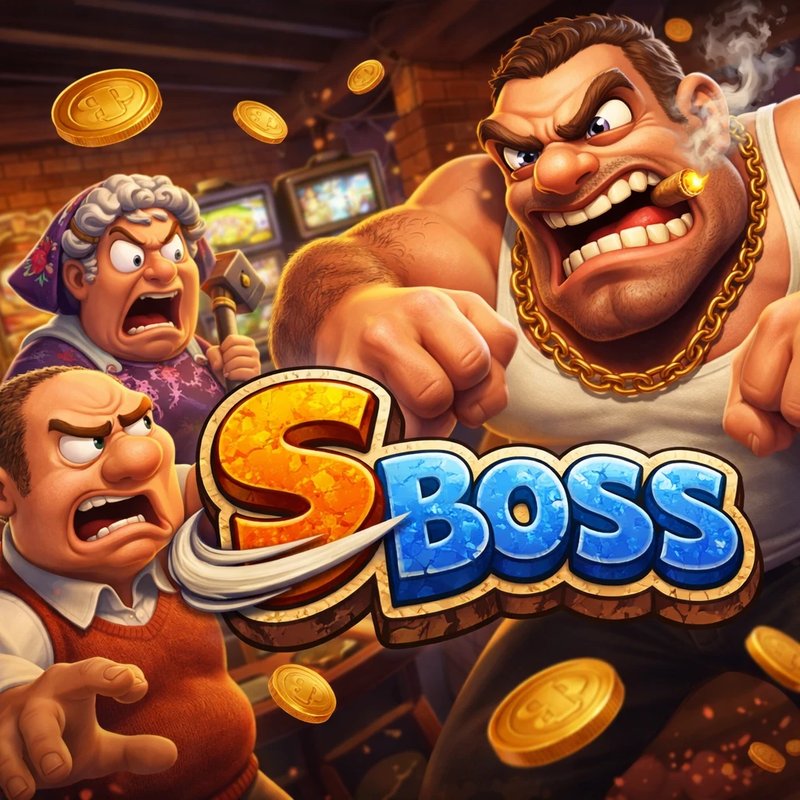
How does AI make a movie feel like a personal experience?
Streaming services use recommendation engines that crunch millions of data points every minute. A single user’s click on a sci‑fi drama, followed by a pause at 1:42, tells the algorithm that you like complex plots but hate long exposition. Within seconds, the platform surfaces a new series that matches that pattern. The result? A watchlist that feels hand‑picked rather than algorithmically forced.
Beyond suggestions, AI is rewriting the script itself. In 2023, a short film produced by an indie studio used natural‑language processing to generate dialogue that matched the actors’ vocal timbres. The film won a regional award for “most realistic character interaction.” That’s a concrete example of AI stepping from background to foreground.
What’s the secret behind the flawless VR gaming you see in ads?
Virtual reality headsets now embed eye‑tracking sensors. The data feeds an AI that predicts where you’ll look next, rendering only that portion of the scene in full resolution. This technique, called foveated rendering, cuts GPU load by up to 60 %. As a result, a mid‑range PC can run a high‑end VR title without stutter.
Game developers also use AI to generate dynamic environments. One title released last year introduced a “living city” that changes its traffic patterns and weather every 24 hours, based on player actions. The city feels alive because an underlying simulation predicts the ripple effects of each decision.
Can AI help us find the next big hit in music and gaming?
Music streaming platforms analyze listening habits, tempo, and lyrical themes to forecast which tracks will trend. In 2024, a pop single that peaked at number 12 on the charts was identified as a potential hit three weeks before its release, thanks to an AI model that matched its acoustic fingerprint to a database of past successes.
In gaming, AI scouting tools sift through millions of user reviews to pinpoint pain points. A developer used such a tool to discover that 68 % of players complained about a particular level’s pacing. By adjusting the level’s pacing algorithm, the game’s post‑launch patch lifted player retention from 35 % to 48 % in the first month.
Where does all this AI magic connect with online gaming platforms?
Many online gaming sites now integrate AI to personalize the player journey. For instance, a popular platform uses machine learning to adjust in‑game rewards based on a user’s playstyle, ensuring that a casual player never feels overwhelmed while a competitive one stays challenged. If you’re curious about how these systems work behind the scenes, the Spinboss casino UK offers a behind‑the‑scenes look at AI‑driven slot mechanics and player engagement strategies.
If you want to see AI in action at a casino, Spinboss casino UK.
What’s the downside of AI in online entertainment?
Personalization can become a double‑edged sword. When algorithms over‑filter content, users may end up in echo chambers, missing out on diverse stories. Moreover, the reliance on large data sets raises privacy concerns; a single data breach can expose sensitive viewing habits. Developers must balance recommendation accuracy with user control over data sharing.
Will AI replace human creativity in entertainment?
Not entirely. While AI can generate plausible scripts or music snippets, the emotional depth of a human writer or composer still requires intuition and lived experience. AI is more of a collaborator than a replacement, offering tools that speed up production and broaden creative possibilities.
What should I keep an eye on next?
Look for AI that blends real‑time interaction with predictive analytics. The next wave will likely bring adaptive storytelling where plot branches shift based on collective player choices, creating a living narrative that evolves with each session. Keep your curiosity sharp; the next big leap could be just a few lines of code away.